
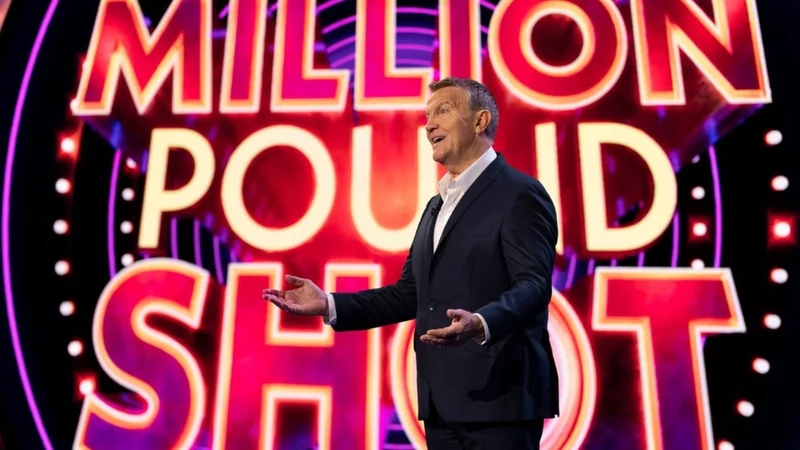
Channel 4’s Million Pound Shot, a Bradley Walsh-hosted programme that aired Sunday 1 November and was later revealed as fictional, has drawn sharp criticism from the Betting and Gaming Council for what the industry body calls a misleading depiction of regulated gambling in Britain.
The show, which featured a contestant named Reece gambling his own money in front of a studio audience, was designed as an anti-gambling public service announcement, though many viewers initially believed it to be a legitimate game show. Social media lit up with questions about the programme’s authenticity before Channel 4 confirmed its fictional nature.
The format showed Reece quickly exceeding limits he had set for himself, making increasingly irrational decisions while Walsh encouraged him to continue, behaviour Channel 4 said was meant to educate audiences on “the techniques of the gambling industry. Walsh later described the topic as “vital.”
The Betting and Gaming Council took issue with that characterisation, saying the programme failed to reflect how Britain’s regulated sector actually operates.
“Channel 4’s Million Pound Shot presented a misleading portrayal of Britain’s regulated betting and gaming industry, failing to reflect the strict rules and protections that licensed operators must follow,” a BGC spokesperson said.
Regulated industry would intervene, BGC says
The council argued that the scenario depicted in the show, particularly Walsh’s encouragement of a contestant showing signs of problem gambling, would not occur under current regulations. Contestants spoke openly about financial difficulties, with one recently made redundant and another admitting to having very little money.
“These are precisely the kinds of warning signs that would require a licensed operator to consider an appropriate customer interaction,” the BGC said. “Yet the programme made no meaningful attempt to explain these regulatory obligations.”
Licensed operators in Britain are required to monitor customer behaviour, identify indicators of potential harm, and take action that can include direct customer interactions, restrictions on activity, or account suspensions. The BGC said the show’s fictional scenario ignored these safeguards despite depicting circumstances where they would apply.
Had Reece’s interactions and admissions occurred with a regulated gambling operator, his betting would almost certainly have been halted rather than encouraged, the industry body added.
Named operators and prohibited practices
The programme named specific operators including Paddy Power, Coral, and Ladbrokes, and devoted considerable attention to ‘losses disguised as wins’, a practice the BGC says is already prohibited under Gambling Commission rules.
The example shown involved a sound playing when a customer received a return smaller than their original stake. The BGC clarified that Commission technical standards prohibit celebratory sounds or visual effects that present a financial loss as a win, but do not ban every sound or require all sounds to be different. A brief sound indicating the outcome of a game does not violate the rules, the council said.
The BGC acknowledged that gambling-related harm is a serious issue the regulated industry takes extremely seriously, recognising the impact it can have on individuals and families. However, the council stressed that “it is important that the public debate is informed by facts and evidence.”
While Walsh’s encouragement in the show mirrored the tone of some TV gambling advertisements, the BGC said the mid-game pressure depicted was more characteristic of black market operations than the regulated sector, where intervention protocols would have been triggered.
Key questions answered
Was Million Pound Shot a real game show where contestants gambled their own money?
No, the show was fictional and designed as an anti-gambling public service announcement, though many viewers initially believed it was real before Channel 4 confirmed its fictional nature.
Why did the Betting and Gaming Council criticize the show?
The BGC said the show misled viewers by depicting scenarios that wouldn’t happen under current UK gambling regulations, such as encouraging a contestant showing signs of problem gambling instead of intervening.
What practices shown in the program are already prohibited in regulated UK gambling?
The show focused on ‘losses disguised as wins’ involving celebratory sounds for losses, but the BGC says Gambling Commission rules already prohibit sounds or visual effects that present financial losses as wins.
Which real gambling companies were named in the fictional show?
The programme specifically named operators including Paddy Power, Coral, and Ladbrokes.